

What should a home security system include?
A useful home security system should do more than sound an alarm. It should help residents detect an unwanted entry, know what is happening at the property, respond appropriately, and continue working during common disruptions such as a power outage or internet interruption.
For households in Yorktown, NY, the right features depend on the home’s layout, entrances, occupancy patterns, and exposure to seasonal conditions. A large detached home may need different coverage than a townhouse, apartment, or smaller residence. The goal is not to install every available device, but to build a system that addresses realistic risks without creating unnecessary complexity.
Which sensors provide the most important protection?
Door and window sensors are the foundation of most residential systems. They detect when a protected opening is separated, helping identify an entry attempt before someone moves through the home.
Exterior doors should receive priority, including:
- The main entrance
- Side and rear doors
- Garage-to-house doors
- Basement or bulkhead doors
- Sliding doors leading to decks or patios
Window sensors are most useful on accessible ground-floor windows and basement windows. Windows that are high above ground level may present less immediate risk, while a basement window near a walkway or concealed area may deserve greater attention.
Motion sensors provide a second layer of detection. They can identify movement in hallways, entry areas, stairwells, and large common rooms. However, placement matters. A sensor aimed at a frequently used staircase may be helpful, while one facing a heating vent, sunny window, or area where pets move freely may produce unnecessary alerts.
Glass-break sensors can supplement window contacts in rooms with multiple windows. They listen for the sound pattern associated with breaking glass, but they should not be treated as a substitute for securing every accessible opening.
Are cameras necessary for home security?
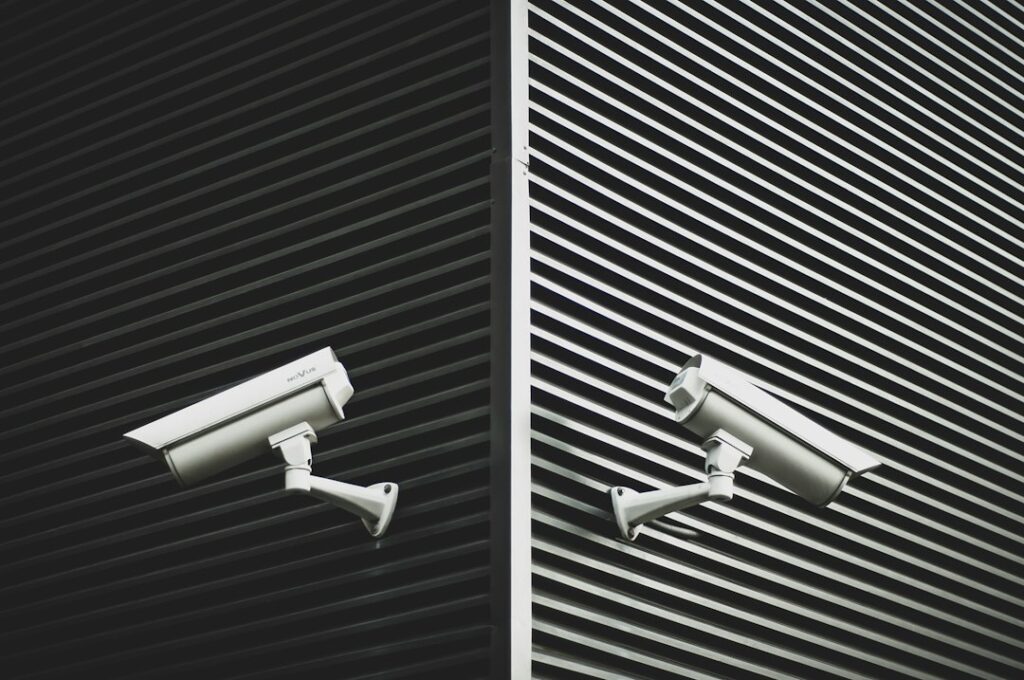
Cameras are useful for verification and awareness, but they are not a complete security system. A camera can show whether an alert involves a person, animal, delivery, falling branch, or another cause. That information may help residents decide whether immediate action is needed.
Useful camera locations often include:
- Main entrances
- Driveways and garage approaches
- Rear doors
- Side paths
- Interior entry points, if appropriate for the household
Outdoor cameras should be designed for weather exposure and positioned to limit glare, blind spots, and views into neighboring private areas. Night performance is also important because a camera that produces a clear daytime picture may show little useful detail after dark.
Privacy deserves careful consideration. Indoor cameras should be disabled or covered when occupants expect privacy, and access to recordings should be limited to trusted users. Strong account passwords and multi-factor authentication can reduce the risk of unauthorized access.
What role do smoke, heat, and carbon monoxide detectors play?
A home security system should not focus only on intrusion. Fire and carbon monoxide detection can provide life-safety warnings when occupants are asleep, away, or unable to hear a standalone alarm.
Smoke detectors should be installed according to applicable safety guidance, generally including sleeping areas, spaces outside bedrooms, and each level of the home. Carbon monoxide detectors are especially relevant near sleeping areas and fuel-burning appliances.
Some systems monitor compatible safety detectors and send alerts to a phone or monitoring center. This can be useful when no one is home, but monitored equipment does not replace properly placed, functioning alarms. Batteries should be replaced as needed, and alarms should be tested regularly.
Heat detectors may be appropriate in locations where smoke detectors are unsuitable, such as garages or dusty utility areas. They are not a replacement for smoke alarms in occupied living spaces.
How important are professional monitoring and mobile alerts?
Mobile alerts provide direct information about events such as an opened door, detected motion, water leak, low battery, or smoke alarm. They are convenient, but a phone notification depends on the user seeing and responding to it.
Professional monitoring can provide another response path when residents are unavailable, asleep, traveling, or unable to use a phone. The practical value depends on the system’s communication method, the monitoring arrangement, and the household’s expectations.
Residents should understand what happens after an alarm is triggered. Questions worth asking before selecting a system include:
- Which events generate alerts?
- Can different users receive different notifications?
- What happens if an alarm is not acknowledged?
- Is two-way voice communication available?
- Does the system use cellular communication if the internet fails?
- What is the process for reducing false alarms?
No system eliminates the need for judgment. A verified alert should be handled carefully, especially if there may be an intruder, fire, or hazardous condition.
Will the system work during a power or internet outage?
Backup power and backup communication are important features in areas that may experience storms, winter weather, tree-related outages, or other service interruptions. A battery backup can keep the control panel and selected devices operating for a limited period after power is lost.
An internet-connected system may stop sending remote notifications if the home’s router or internet service fails. Systems with cellular backup may continue communicating, although cellular service and battery life also have limitations.

Residents should check:
- How long the backup battery is expected to last
- Which devices remain active during an outage
- Whether cameras continue recording
- How low-battery warnings are delivered
- Whether communication depends entirely on household Wi-Fi
Regular testing is necessary because backup equipment can fail quietly if batteries age or devices lose connection.
What smart-home features are genuinely useful?
Smart-home integration can improve convenience, but it should support security rather than distract from it. Useful functions may include remotely checking whether doors are locked, receiving a water-leak alert, turning exterior lighting on when motion is detected, or creating a temporary access code.
Lighting automation can be helpful during vacations or irregular schedules, but predictable patterns may reveal that no one is home. Remote access should also be protected with unique passwords and multi-factor authentication.
Voice control requires extra caution. A person who gains access to a voice assistant or account may be able to learn information about the home or control connected devices. Security settings should be reviewed whenever household members, tenants, or trusted guests change.
How can residents avoid false alarms?
False alarms often result from poor sensor placement, forgotten access codes, open windows, pets, loose doors, or delivery activity. Reducing them improves trust in the system and helps ensure that real alerts receive proper attention.
Before activating the system, every regular occupant should know how to arm and disarm it. Entry delays should be long enough for residents to reach a keypad without creating unnecessary exposure. Motion sensors should be tested with pets, fans, curtains, and changing sunlight conditions.
Seasonal changes can also affect performance. Snow, heavy rain, wind-blown branches, insects, and landscaping growth may interfere with outdoor cameras or motion detection. A periodic walk-around inspection can identify blocked views, loose equipment, dead batteries, or damaged weather seals.
What should be checked before choosing a system?
The most suitable system is one that covers the home’s actual entry points, communicates reliably, and remains simple enough for everyone in the household to use.
Before making a decision, review:
- The number and location of exterior doors and accessible windows
- Whether a garage, basement, shed, or detached structure needs coverage
- Pet activity and household schedules
- Smoke, carbon monoxide, water, and temperature risks
- Cellular and battery backup options
- Privacy controls for cameras and recordings
- Data security, account access, and software updates
- Equipment ownership, storage, and cancellation terms
A system that is carefully planned, maintained, and understood is generally more useful than a larger system filled with features that residents rarely use.